Monika Pich
She works across the conceptual and practical domains of fine and applied arts. She is the author of multimedia projects and creative educational workshops promoting creative thinking and cultural engagement. She is the initiator, creator, and organiser of artistic events, as well as a curator of exhibitions. Her practice spans visual, sound, and haptic art, encompassing photography, graphics, performance, film, installation, design, and sound. As a music producer and audio recording practitioner (sound design), she creates sound installations, podcasts, and radio plays. Her work has been broadcast by Polish and international radio stations and presented in publications, cultural institutions, and galleries. She hosted the regular programme Space Oddity Recollection for the Spanish radio station TeslaFM, featuring contemporary experimental sounds. She is the founder and editor-in-chief of Radio UAP. She teaches at the Faculty of Graphic Arts at the Magdalena Abakanowicz University of the Arts Poznań.
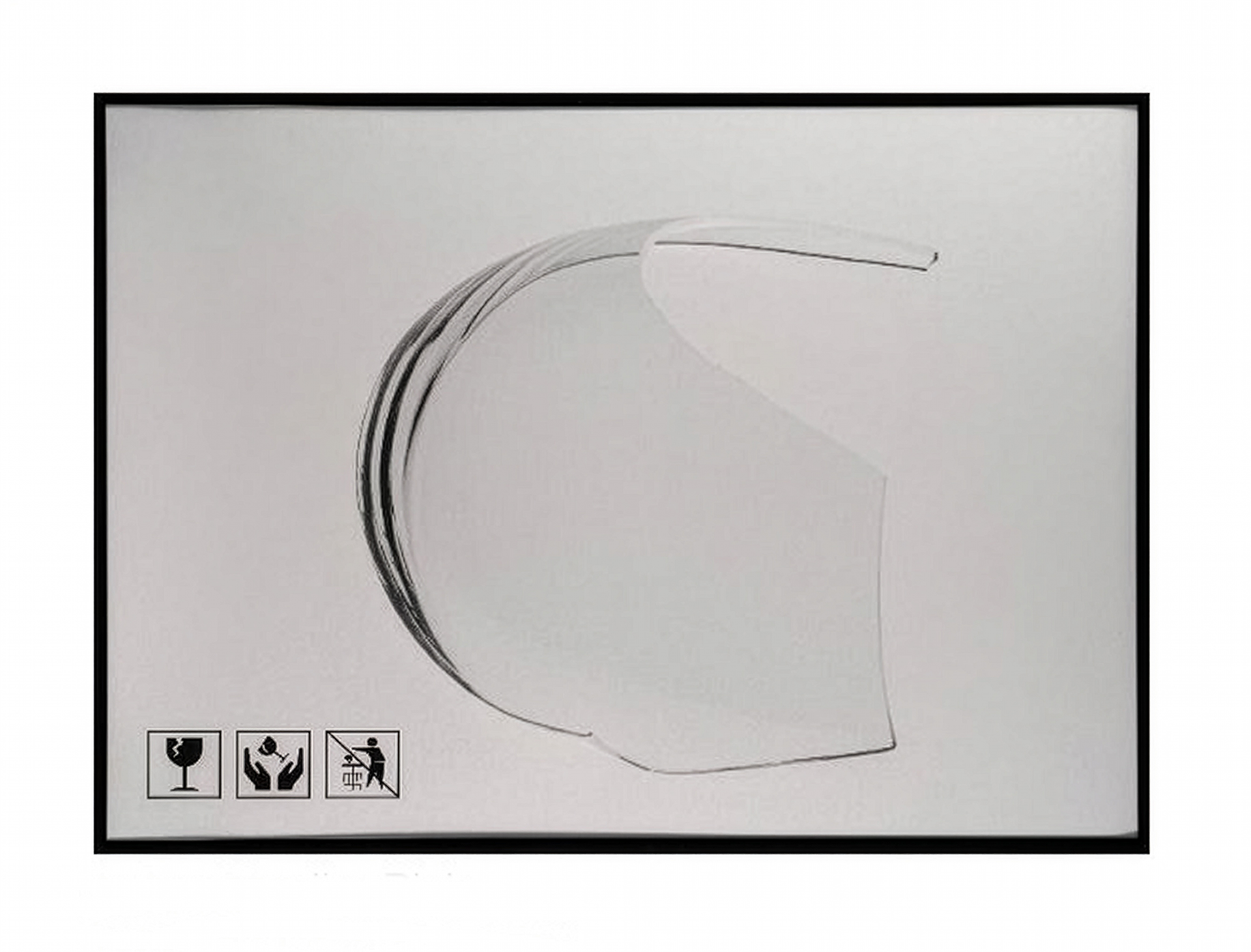
PHENOTYPIC EFFECT
Technique: Photography
Dimensions: 50×70 cm
Exhibited at: Lotna Premia exhibition / Curatorial text: Dorota Grobelna / Arsenal Municipal Gallery, Poznań
In culture, the phenotypic effect is understood as the way human physical traits and behaviors are perceived and interpreted within social, historical, and cultural contexts. The phenotype becomes not only a biological manifestation of the genotype but also a carrier of symbolic meaning – a tool for constructing identity, while simultaneously forming the basis for differentiation among people. This duality can lead both to cultural enrichment and to discrimination.
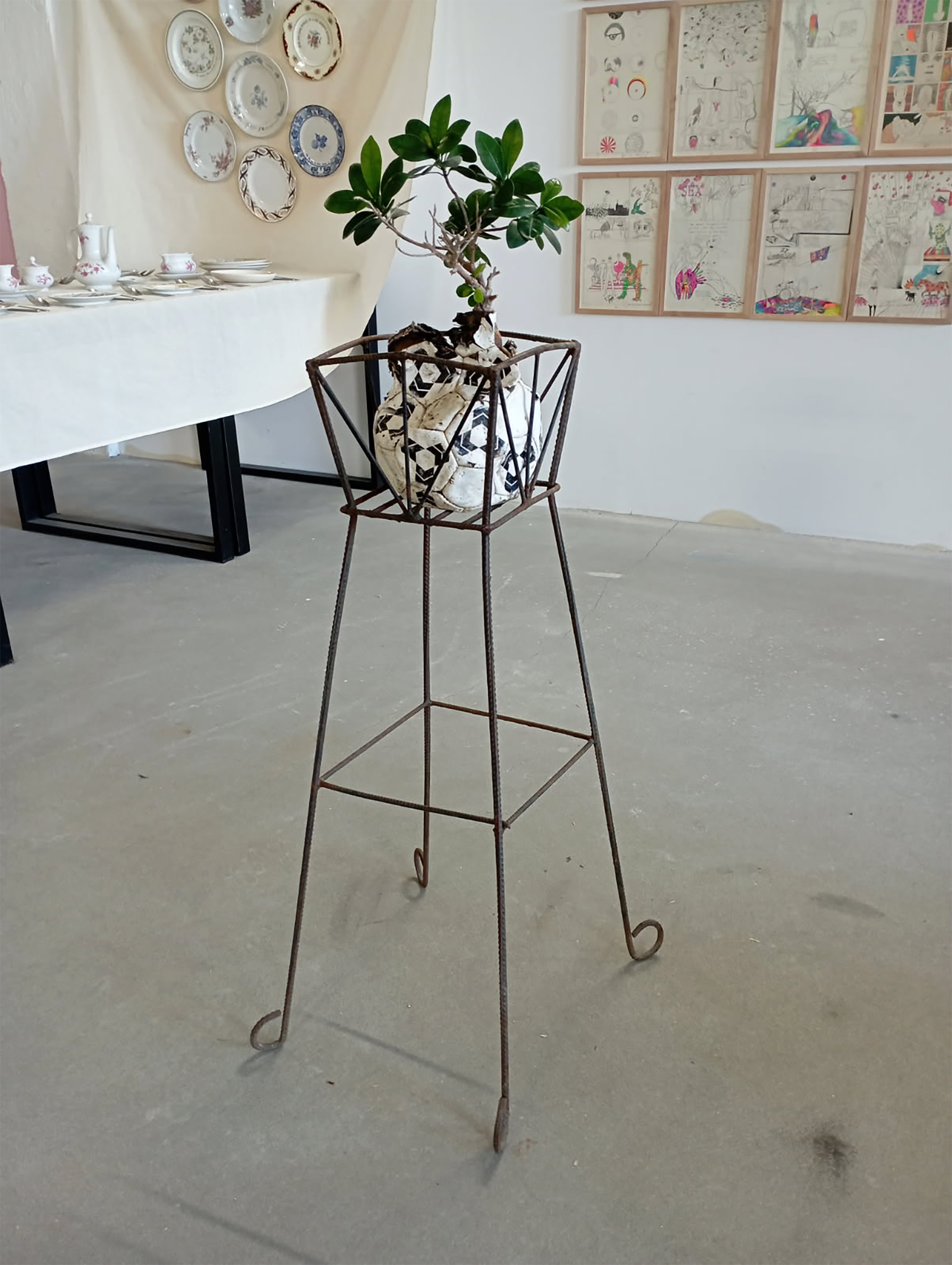
SPORT REHABILITATION – EXERCISES IN BEAUTY
Technique: Installation
Exhibited at: No Budget Show, XII International Festival Oko Nigdy Nie Śpi [The Eye Never Sleeps] 2025 / Curator: Robert Kuśmirowski / Kujawsko-Pomorskie – IGRZYSKA / Londynek Hall, Bydgoszcz
This installation transforms a used sports ball into a bonsai planter, serving as a visual-conceptual experiment exploring how the meanings of everyday objects can be transformed. The work emphasizes that true advantage does not lie in competition or domination but in the ability to build relationships and shared experiences. Presented within the No Budget Show exhibition, the project analyzed how worn-out objects can generate new symbolic meanings. The festival Oko Nigdy Nie Śpi [The Eye Never Sleeps], which integrates art with urban space, draws on the archetype of the spectacle—the games. The theme of this year’s edition was “advantage,” encouraging participants to reconsider its different interpretations and manifestations. The festival was organized in cooperation with the Kuyavian-Pomeranian Voivodeship, under the patronage of the Marshal of the Voivodeship and the Mayor of Bydgoszcz, and co-funded by the City of Bydgoszcz and European Union funds.
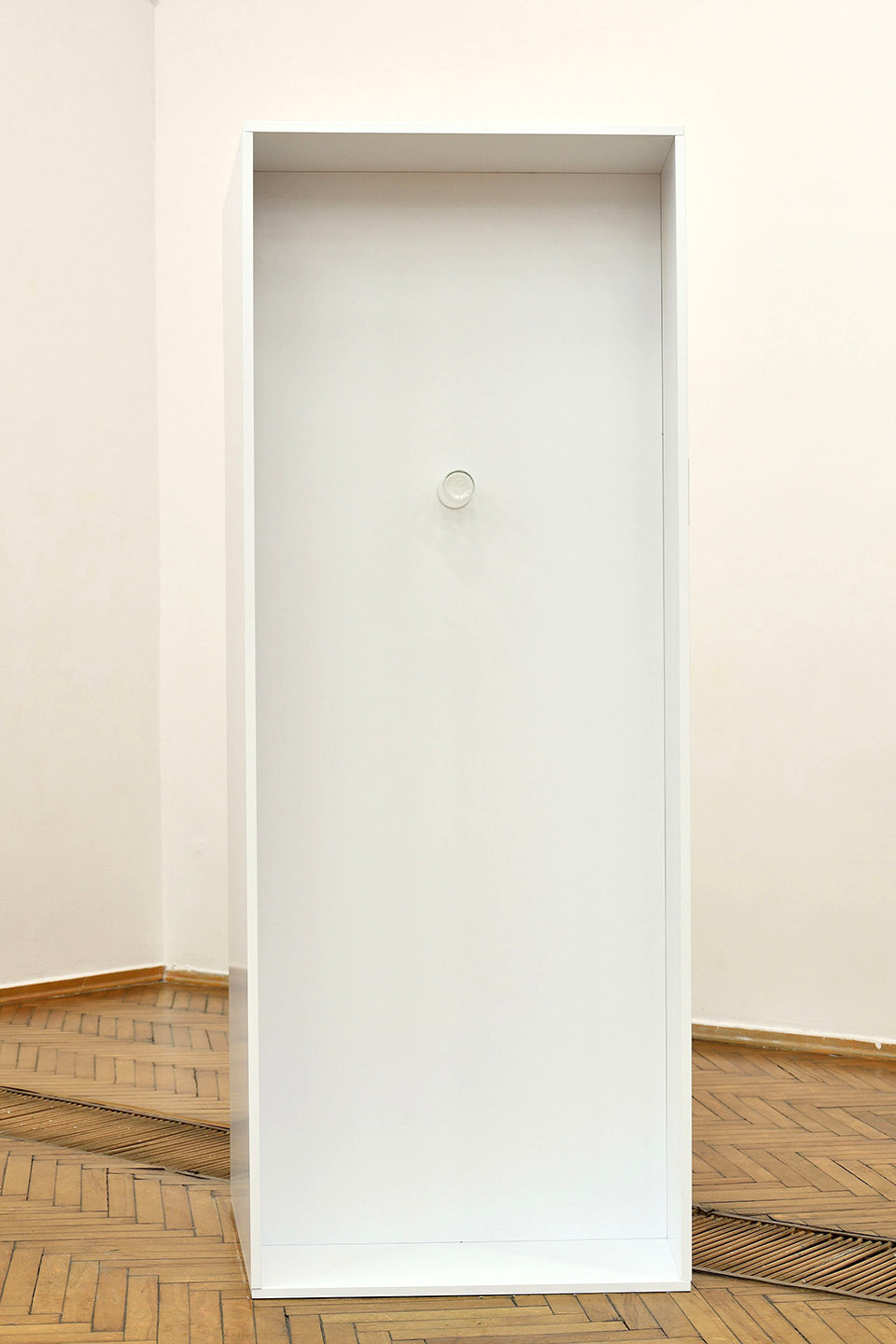
THE WALLS HAVE EARS
Technique: Installation (object + sound)
Exhibited at: Postcard from the Province, Group 404 exhibition / Exhibition texts: M. Kurak, K. Piskorz / BWA Gallery, Zielona Góra
The work addresses eavesdropping as a form of crossing privacy boundaries. It consists of a documentary recording of a woman’s monologue captured from behind the wall of a private apartment, paired with an object – a glass attached to the wall – mimicking a rudimentary listening device. The intimate, emotional voice, almost confessional in tone, reveals daily life, feelings, and frustrations, provoking reflection on human curiosity, judgment, and the constant tension between involuntary listening and intentional intrusion into another’s privacy.
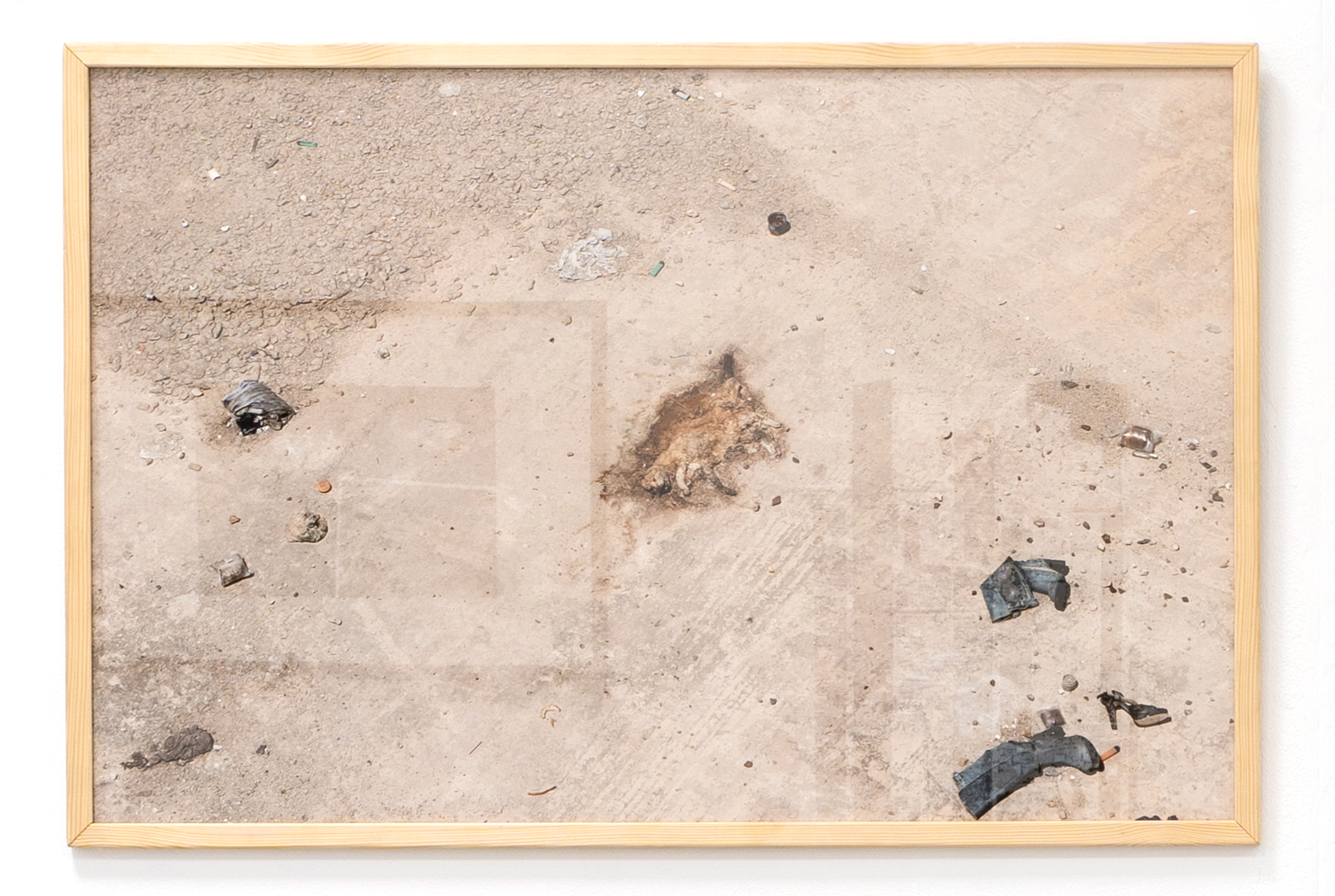
LITTLE THINGS
Technique: Photography
Dimensions: 50×70 cm
Exhibited at: II International Contemporary Art Exhibition Space and Light in Art (Spazio e luci nelle arti) / Villa Farsetti, Santa Maria di Sala, Venice, Italy
Unnecessary and broken objects, once stripped of their original function, can gain a second life in art through aesthetic recycling. This process creatively transforms discarded items into entirely new objects with different purposes and characters. Through photography, even seemingly useless items, such as a broken glass, can be transformed—gaining new form, meaning, and symbolic value, while entering a context distinct from their original one.